When it comes to digital marketing, the question of what percentage of traffic should be organic is crucial for marketers looking to optimize their online presence. Understanding the importance of organic traffic and effectively integrating it can drive substantial growth for any online business. But how much of your traffic should be organic? This article dives into the intricacies of this question, providing insights for digital marketers aiming to enhance their SEO strategies.

Understanding Traffic Sources
Types of Traffic Sources
To determine the ideal percentage of organic traffic, it is vital to understand the different types of traffic sources. Traffic can generally be divided into several categories, including organic, direct, referral, and paid traffic. Organic traffic originates from unpaid search engine results, direct traffic comes from users typing your URL directly, referral traffic from other websites, and paid traffic from advertising campaigns.
The Significance of Organic Traffic
Organic traffic is often considered the most valuable among all types of traffic. It provides sustainable growth, improves brand credibility, and often yields higher conversion rates since users from organic searches are actively seeking information related to your content. Studies indicate that businesses should aim for at least 50-60% of total traffic to be organic. Forbes Council emphasizes several strategies to increase this valuable source of traffic effectively.
Benefits of Organic Traffic
Beyond just numbers, organic traffic reflects the impact of SEO efforts. It means your website is effectively answering user queries, leading to higher trust and credibility with search engines. Optimizing for organic traffic can lead to long-term growth, lower costs in advertising, and a stronger brand presence online.
Setting Realistic Goals for Organic Traffic
Industry Standards
While aiming for a majority of traffic to be organic, achieving this goal requires understanding industry standards and setting realistic targets. Each industry will have different benchmarks depending on competition, target audience behavior, and resource availability.
Balancing Organic and Other Sources
Although organic traffic should be a significant portion of your total traffic, balancing it with direct, referral, and paid traffic is essential. Diversification ensures that your traffic strategy is robust and resilient to changes in search engine algorithms.
Strategies to Increase Organic Traffic
Keyword Optimization
Identifying and optimizing for keywords relevant to your industry is fundamental. This strategy goes hand-in-hand with producing high-quality content aligned with user intent, which is crucial for attracting and maintaining a steady flow of organic visitors. Consider checking this content building guide for more insights.
Quality Content Creation
Search engines prioritize quality content that provides value to users. Focus on producing content that is not only well-written but also addresses common questions and concerns of your target audience. Engaging content encourages users to stay longer and explore other pages on your site.
Technical SEO Improvements
Technical elements such as site speed, mobile-friendliness, and secure connections influence organic rankings. Ensure your site is technically optimized to improve user experience, which in turn, can enhance your search performance.
The Risks of Ignoring Organic Traffic
Relying heavily on paid traffic can lead to high costs without sustainable growth. Ignoring organic traffic means missing out on quality leads and the chance to build a reputation that attracts a loyal user base. For more insights on potential pitfalls, review the article about SEO risks.
Analyzing Your Current Traffic
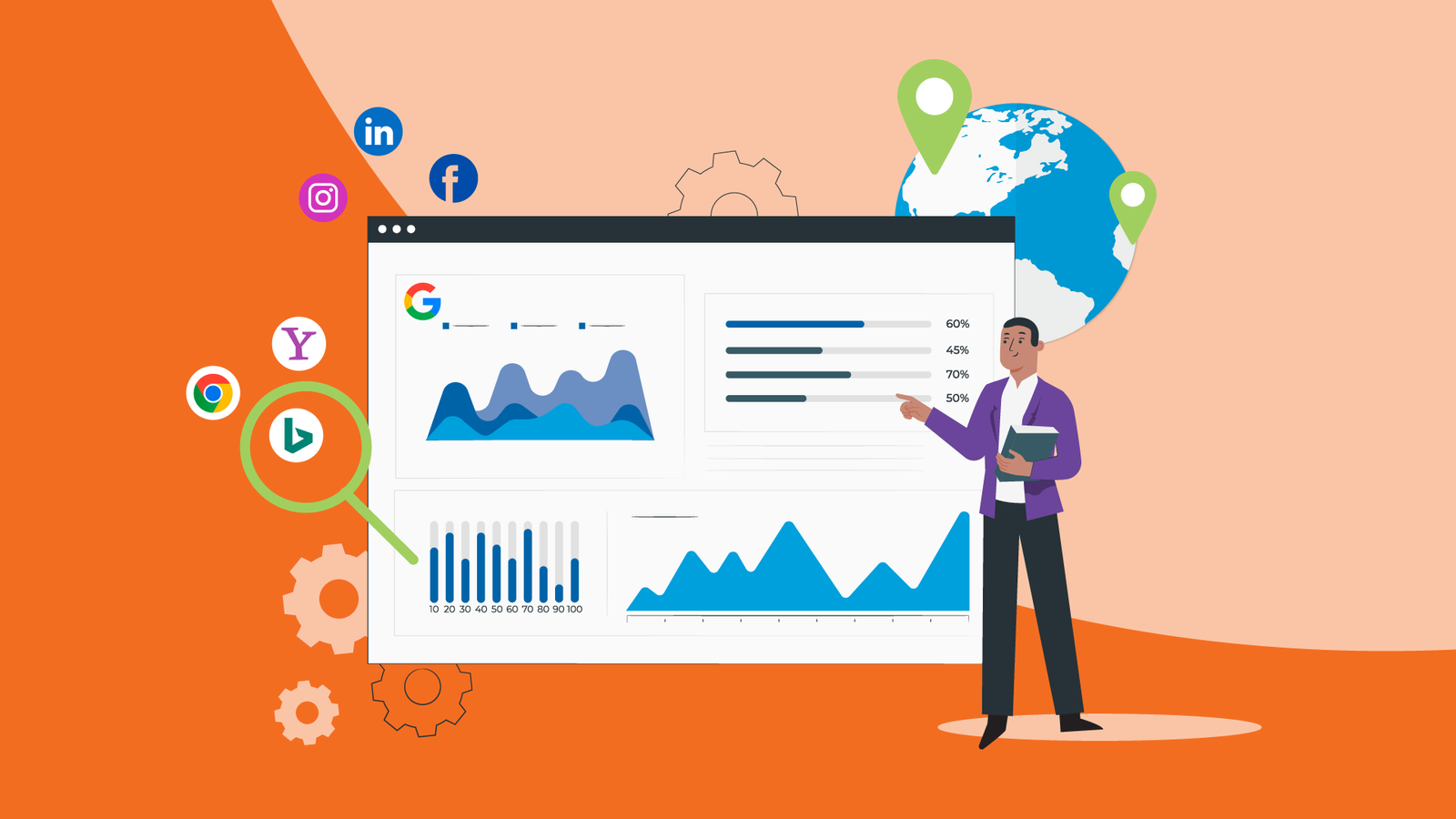
Regularly analyzing your traffic sources allows you to identify trends and make informed decisions. Tools like Google Analytics can provide in-depth insights into the percentage of traffic coming from organic sources and help track your progress toward desired goals.
Interpreting Analytical Data
Using data analytics effectively enables you to track the performance of SEO strategies and make necessary adjustments. Be sure to interpret this data regularly to optimize your approach continually. SEO tools and platforms offer various metrics and reports you can leverage for detailed analysis.
Conclusion
Understanding what percentage of traffic should be organic is essential for digital marketers aiming to grow sustainably. While the ideal percentage may vary, striving for a significant portion of organic traffic should always be a priority. By adopting strategic SEO, optimizing content, and leveraging analytics, businesses can achieve better performance and enhance their online presence.
FAQ Section
Why is organic traffic important for SEO?
Organic traffic is critical as it reflects the success of SEO efforts, drives long-term growth, and improves credibility and conversion rates.
How can I increase my website’s organic traffic?
Increase organic traffic by optimizing keywords, producing quality content, enhancing technical SEO, and regularly analyzing traffic data.
What tools are best for measuring organic traffic?
Google Analytics and SEO specific tools provide detailed insights into traffic sources, helping in evaluating the effectiveness of organic strategies.