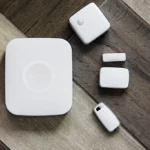
Managing a short-term rental property comes with unique challenges, from protecting your investment to ensuring guests have a safe and comfortable stay. Vacation rental sensor systems have become essential tools for property owners and managers seeking to monitor their homes remotely, prevent damage, and maintain peace of mind. These smart devices provide real-time alerts and valuable data, helping you respond quickly to issues and maintain a high standard of hospitality.
In this article, we’ll explore the latest advancements in sensor technology for vacation rentals, the key types of sensors available, and how integrating these solutions can benefit both hosts and guests. You’ll also find practical advice on choosing the right system, installation tips, and answers to common questions about privacy and compliance. For those interested in optimizing their digital presence, resources like How to improve SEO with broken link building can further support your rental business strategy.
Why Smart Sensors Are Transforming Vacation Rentals
Modern vacation rental sensor systems go far beyond traditional security alarms. They offer a comprehensive approach to property monitoring, combining environmental, motion, and occupancy sensors with cloud-based dashboards and instant notifications. This technology empowers hosts to:
- Detect unauthorized activity such as parties, smoking, or extra guests.
- Prevent costly damage from water leaks, fire, or HVAC failures.
- Improve guest safety with smoke, carbon monoxide, and air quality monitoring.
- Optimize energy usage by tracking temperature and humidity.
- Comply with local regulations regarding noise and occupancy limits.
By leveraging these systems, property owners can reduce risk, minimize maintenance costs, and deliver a better guest experience—all while maintaining privacy and compliance.
Types of Sensors for Short-Term Rental Properties
Choosing the right combination of sensors is crucial for effective property management. Here are the most common types used in rental homes:
Environmental and Safety Sensors
These devices monitor conditions that could threaten your property or guests:
- Smoke and carbon monoxide detectors alert you to fire or dangerous gas levels.
- Water leak sensors notify you immediately if moisture is detected near appliances, sinks, or basements.
- Temperature and humidity monitors help prevent mold, frozen pipes, and HVAC issues.
Occupancy and Noise Monitoring
To maintain compliance and avoid neighbor complaints, many hosts use:
- Noise sensors that detect excessive sound levels without recording audio, protecting guest privacy.
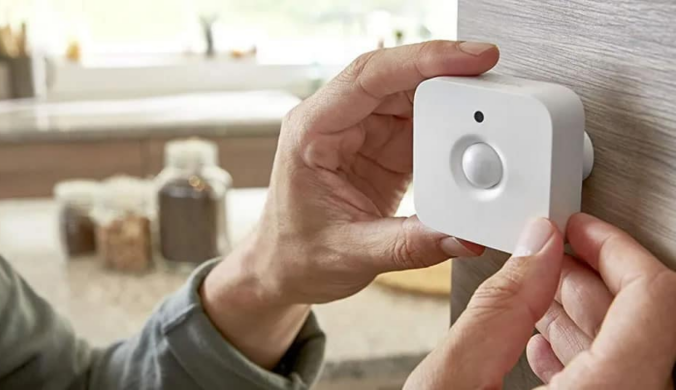
- Occupancy sensors that count the number of people present using motion or infrared technology.
- Entry sensors on doors and windows to track access and detect break-ins.
Motion and Rodent Detection
Motion sensors can be used both for security and for detecting unwanted pests. For example, smart rodent detectors can alert you to the presence of mice or rats before they become a problem, allowing for prompt intervention and maintaining a hygienic environment for guests.
Key Benefits of Implementing Sensor Technology
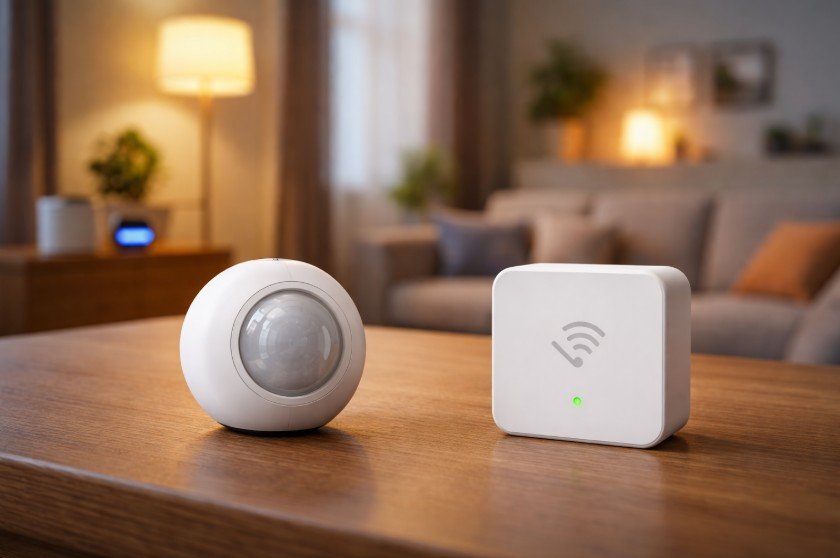
Integrating vacation rental sensor systems offers a range of advantages for property owners and managers:
- Real-time alerts allow you to address issues before they escalate, reducing damage and liability.
- Remote monitoring means you can keep an eye on your property from anywhere, even if you manage multiple rentals.
- Guest reassurance—visible safety devices can enhance your property’s appeal and trustworthiness.
- Lower insurance premiums may be available for properties with advanced monitoring systems.
- Automated reporting for compliance with local noise or occupancy ordinances.
For those interested in the broader context of home automation, this guide to smart sensors and their role in home automation provides additional insights into how these technologies can be leveraged for both security and convenience.
Choosing and Installing the Right Sensor System
When selecting a sensor package for your rental, consider the following factors:
- Property size and layout: Larger homes may require multiple sensors for complete coverage.
- Type of guests: Family-friendly rentals may prioritize safety sensors, while urban apartments might focus on noise and entry monitoring.
- Integration with smart home platforms: Ensure compatibility with your existing devices and management software.
- Privacy and transparency: Clearly disclose all monitoring devices in your listing and guest communications.
- Ease of installation: Many modern sensors are wireless and can be installed with minimal tools or professional help.
It’s also wise to periodically review your system’s performance and update software or hardware as needed to maintain optimal protection.
Privacy, Compliance, and Guest Communication
While sensor technology offers significant benefits, it’s essential to balance security with guest privacy. Here are some best practices:
- Never install cameras or audio recorders in private areas such as bedrooms or bathrooms.
- Use noise and occupancy sensors that do not record conversations or personal data.
- Disclose all monitoring devices in your rental agreement and property listing.
- Stay informed about local regulations regarding surveillance and guest privacy.
Transparent communication builds trust and can help prevent misunderstandings or negative reviews.
Integrating Sensors with Other Smart Property Tools
Combining vacation rental sensor systems with other smart home technologies can further streamline property management. For example, integrating sensors with smart locks allows for automated check-ins and check-outs, while linking to thermostats can help control energy costs. If you’re interested in optimizing your online presence as well, consider exploring topics like how to combine broken link building with content marketing to attract more guests to your listing.
Frequently Asked Questions
What types of sensors are most important for vacation rentals?
The most valuable sensors typically include smoke and carbon monoxide detectors, water leak sensors, noise monitors, and entry sensors. The right mix depends on your property’s unique needs and local regulations.
How do I ensure my guests’ privacy when using monitoring devices?
Choose sensors that do not record audio or video in private spaces, and always disclose their presence in your listing and rental agreement. Focus on devices that monitor environmental factors or occupancy without capturing personal information.
Can these systems help reduce my insurance costs?
Many insurance providers offer discounts for properties equipped with advanced sensor technology, as they lower the risk of major damage or liability. Check with your insurer to see what documentation or certifications are required.
Are these systems difficult to install?
Most modern sensor solutions are designed for easy installation, often requiring no more than basic tools and a Wi-Fi connection. Wireless options are especially popular for rentals, as they can be moved or upgraded with minimal effort.
Do I need to update my system regularly?
It’s recommended to check for firmware updates and test your sensors periodically to ensure they are functioning correctly. Replace batteries as needed and review your setup after any major property changes.