Protecting your short-term rental property is more important than ever. With the rise of vacation rentals, hosts face unique security challenges, from unauthorized parties to potential property damage. Smart security sensors for Airbnb offer a proactive solution, helping you monitor your property, ensure guest safety, and safeguard your investment. This article explores the essential types of sensors, how they work, and how to integrate them into your Airbnb for maximum peace of mind.
Choosing the right technology for your rental can be overwhelming, but understanding the available options will help you make informed decisions. We’ll cover the most effective smart sensors for hosts, discuss their benefits, and provide practical tips for installation and management. If you’re interested in optimizing your rental business further, you might also find value in learning how to improve SEO with broken link building to attract more guests online.
Why Invest in Smart Sensors for Your Short-Term Rental
Modern hosts face a range of risks, from break-ins to fire hazards and even pest infestations. Traditional security systems may not provide the flexibility or real-time insights needed for remote property management. Smart security sensors for Airbnb rentals enable hosts to:
- Monitor activity and detect unusual behavior, such as unexpected entries or excessive noise.
- Receive instant alerts for smoke, water leaks, or motion, allowing for quick response.
- Protect guests by ensuring safety standards are met, which can improve reviews and increase bookings.
- Reduce liability by documenting incidents and demonstrating proactive safety measures.
By integrating these devices, you can automate much of your property’s security, making it easier to manage multiple listings or operate remotely.
Types of Smart Security Sensors for Airbnb Hosts
There are several categories of smart sensors that can enhance the safety and security of your rental. Each type serves a specific purpose, and combining them provides comprehensive coverage.
Entry and Motion Detection
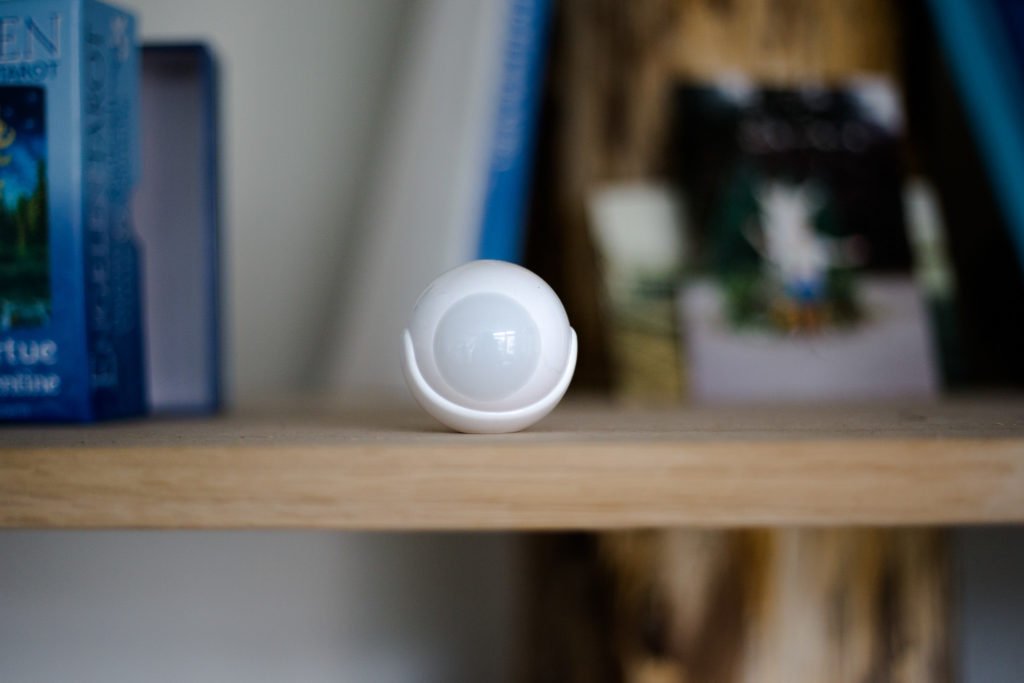
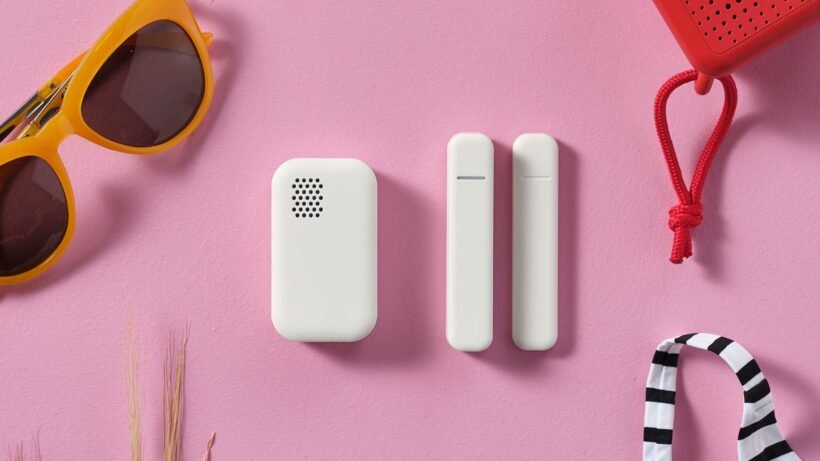
Door and window sensors alert you when an entry point is opened or tampered with. Motion detectors can notify you of movement in restricted areas or during periods when the property should be vacant. These devices are essential for preventing unauthorized access and can be configured to respect guest privacy by focusing on entryways and common areas only.
Environmental and Safety Sensors
Smoke and carbon monoxide detectors are critical for guest safety and may be required by local regulations. Smart versions send alerts directly to your phone if an alarm is triggered, so you can act quickly even if you’re not on-site. Water leak sensors can prevent costly damage by notifying you of leaks under sinks or near appliances.
Some hosts also install air quality monitors to detect allergens or pollutants, which can be a selling point for health-conscious travelers.
Noise and Occupancy Monitoring
Excessive noise can lead to neighbor complaints and even fines. Smart noise sensors measure decibel levels and alert you if sound exceeds a set threshold, helping you enforce house rules without invading guest privacy. Occupancy sensors can help ensure your property isn’t being used for unauthorized events or parties.
Choosing the Right Smart Sensors for Your Airbnb
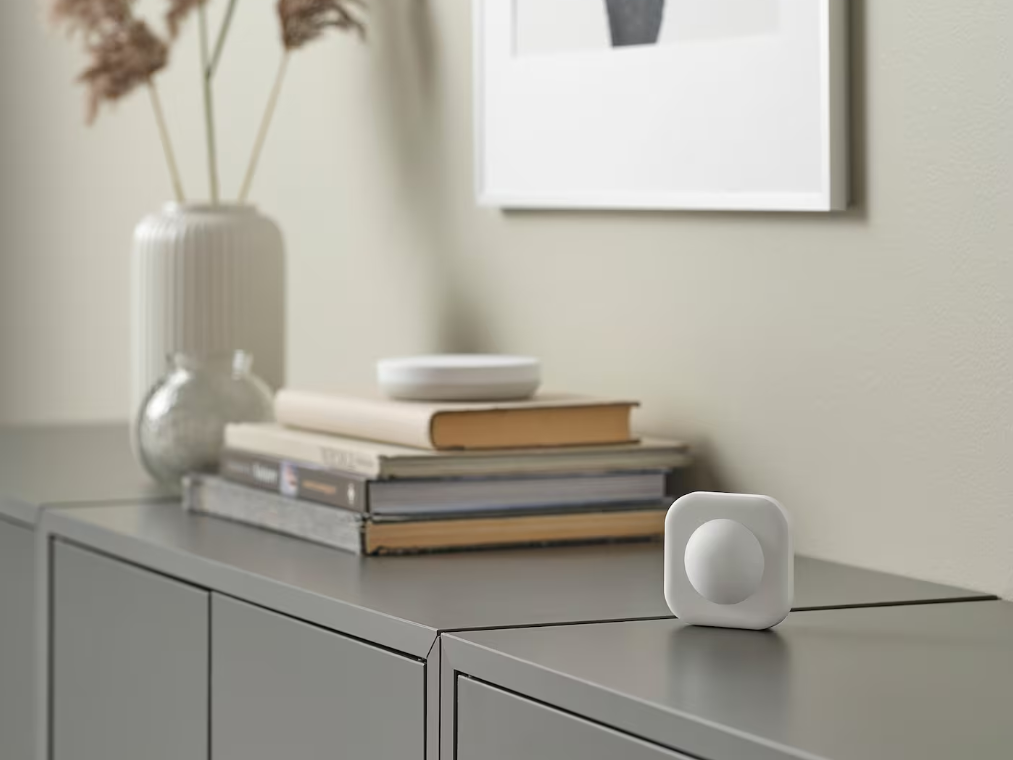
When selecting devices, consider the specific needs of your property and your guests. Here are some tips for making the best choice:
- Compatibility: Ensure sensors work with your existing smart home hub or Wi-Fi network.
- Ease of installation: Look for wireless options that don’t require professional setup.
- Privacy: Avoid cameras in private spaces and clearly disclose all monitoring devices in your listing.
- Battery life: Choose sensors with long-lasting batteries or easy charging options to minimize maintenance.
- Integration: Consider systems that can be managed from a single app for convenience.
Reading reviews and consulting resources like this guide to smart home sensors can help you compare brands and features.
Installation and Best Practices for Hosts
Proper placement and configuration are essential for effective monitoring. Here’s how to get started:
- Plan sensor locations: Focus on entry points, common areas, and high-risk zones like kitchens and bathrooms.
- Test devices: After installation, verify that each sensor sends alerts and is visible in your management app.
- Update your listing: Clearly inform guests about the presence and purpose of any monitoring devices to comply with platform policies.
- Maintain regularly: Check batteries and connections between bookings to ensure reliability.
By following these steps, you’ll maximize the benefits of your investment and create a safer environment for everyone.
Legal and Ethical Considerations
Transparency is key when using smart technology in a rental property. Airbnb and other platforms require hosts to disclose all security devices, especially those that monitor sound or occupancy. Never install cameras or sensors in private areas such as bedrooms or bathrooms. Always respect local laws regarding surveillance and privacy.
Responsible use of smart security sensors for Airbnb not only protects your property but also builds trust with guests, leading to better reviews and repeat bookings.
Maximizing Your Return on Investment
While there is an upfront cost to installing smart sensors, the long-term savings can be significant. Preventing even a single incident of water damage or unauthorized party can easily offset the expense. Additionally, enhanced security can be a selling point in your listing, attracting safety-conscious guests and potentially allowing you to charge higher rates.
For hosts managing multiple properties, centralized control through a smart home platform streamlines operations and reduces stress. As you expand your rental business, consider integrating security technology with other smart devices, such as thermostats and lighting, for a fully automated experience.
FAQ
Are smart sensors allowed in Airbnb rentals?
Yes, but you must follow platform guidelines and local laws. Always disclose any monitoring devices in your listing and never place cameras or sensors in private spaces. Focus on entryways, common areas, and safety-related monitoring.
Which smart sensors are most important for hosts?
Entry sensors, motion detectors, smoke and carbon monoxide alarms, and noise monitors are among the most valuable. Water leak detectors and air quality monitors can also be beneficial, depending on your property’s needs.
How do I maintain my smart security devices?
Regularly check batteries, test alert functions, and update firmware through the manufacturer’s app. Schedule maintenance between guest stays to ensure all devices are working properly and to minimize disruptions.