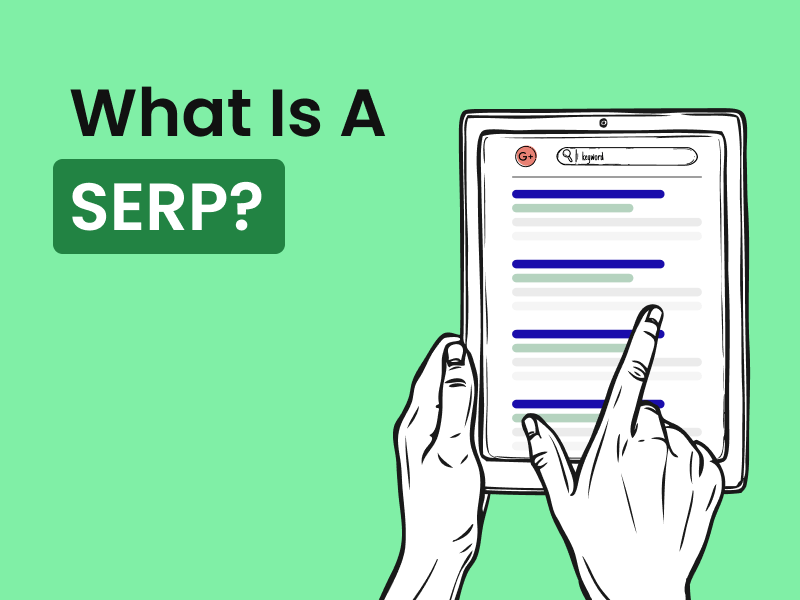
The landscape of search engine optimization is constantly evolving, and recent advancements have brought significant shifts to how results are displayed and how users interact with them. Two of the most impactful developments are the introduction of Search Generative Experience (SGE) and ongoing changes to Search Engine Results Pages (SERPs). Understanding these updates is essential for anyone aiming to maintain or improve their online visibility.
In this article, we’ll break down what SGE and SERP changes mean for SEO professionals, website owners, and digital marketers. We’ll look at how these updates affect ranking strategies, what new opportunities and challenges they present, and how to adapt your approach to stay ahead.
Before diving into the specifics, it’s helpful to connect these changes with related SEO strategies. For example, leveraging tactics like How to improve SEO with broken link building can complement your efforts to adapt to new SERP layouts and generative search features.
Understanding Search Generative Experience (SGE)
Google’s SGE is a major step forward in the evolution of search. Instead of simply listing links, SGE uses artificial intelligence to generate concise, context-rich answers directly on the results page. This means users can get summaries, explanations, and recommendations without needing to click through to individual websites.
For SEO professionals, this shift changes the traditional approach to ranking. The focus is no longer just about being in the top ten blue links. Now, there’s a growing emphasis on providing content that can be referenced or summarized by AI, making relevance and authority even more critical.

Key Shifts in Modern SERPs
The structure of SERPs has become more dynamic and visually rich. In addition to SGE snapshots, users now encounter featured snippets, knowledge panels, local packs, video carousels, and more. These elements can push traditional organic results further down the page, making it harder to capture clicks with standard listings.
According to this detailed overview of SERP features, understanding the full range of result types is crucial for optimizing your content to appear in as many relevant sections as possible.
How SGE and SERP Changes Affect Organic Visibility
With the introduction of generative AI responses and new result formats, organic listings are no longer the only way to gain visibility. Your content might be cited in an SGE summary, appear in a featured snippet, or show up in a video carousel. However, this also means increased competition for attention, as users may get their answers without clicking through to your site.
To adapt, focus on creating content that is not only informative but also structured for easy extraction by AI and search algorithms. Use clear headings, concise answers to common questions, and authoritative sources to increase the likelihood of being featured.
Optimizing for the New Search Landscape
Adapting your SEO strategy to these updates requires a multi-faceted approach. Here are some practical steps to consider:
- Target Featured Snippets and SGE Summaries: Structure your content to answer specific questions. Use lists, tables, and direct answers to increase your chances of being highlighted.
- Enhance Topical Authority: Develop comprehensive resources around your main topics. The more authoritative your site appears, the more likely it is to be referenced by AI-powered summaries.
- Optimize for User Intent: Understand what users are really searching for and tailor your content to meet those needs. This includes addressing informational, navigational, and transactional queries.
- Leverage Structured Data: Implement schema markup to help search engines understand your content and display it in rich results.
- Monitor Performance: Use analytics and SERP tracking tools to see how your rankings and visibility change as SGE and SERP updates roll out.

Content Strategies for SGE and SERP Evolution
As search engines become more sophisticated, the quality and structure of your content matter more than ever. Here are some strategies to help your pages stand out:
- Answer Questions Directly: Use FAQ sections, concise paragraphs, and bullet points to address common queries in your niche.
- Update Old Content: Refresh existing articles to include the latest information and optimize for new SERP features.
- Build Authoritative Backlinks: Earning links from reputable sites can boost your authority and increase your chances of being referenced in SGE summaries. For more on this, explore How to combine broken link building with content marketing.
- Use Visuals and Multimedia: Incorporate images, charts, and videos where appropriate, as these can help your content appear in different SERP modules.
Tracking and Measuring the Impact of SERP Innovations
Keeping up with the latest SERP and SGE developments requires ongoing monitoring. Regularly review your analytics to see how traffic sources and user behavior are changing. Pay attention to which keywords are driving traffic and whether your content is being featured in new result types.
Consider using rank tracking tools that specifically monitor SGE and SERP changes. These can help you identify new opportunities and quickly respond to shifts in how your pages are displayed.
Additionally, avoid common pitfalls by learning from others’ mistakes. For example, see what mistakes to avoid in broken link building to ensure your link-building efforts remain effective as search evolves.
Frequently Asked Questions
What is the Search Generative Experience (SGE) and how does it impact SEO?
SGE is Google’s AI-powered feature that generates direct answers and summaries on the search results page. For SEO, this means content must be highly relevant, authoritative, and structured for easy extraction. While it can reduce click-through rates for some queries, it also creates new opportunities for visibility if your content is referenced in these summaries.
How can I optimize my website for the latest SERP changes?
To adapt, focus on answering user questions clearly, using structured data, and building topical authority. Update your content regularly and monitor which SERP features your pages appear in. Diversify your content formats to target featured snippets, knowledge panels, and other rich results.
Are traditional ranking factors still important with SGE and new SERP features?
Yes, traditional factors like relevance, authority, and backlinks remain important. However, the way users interact with search results is changing, so it’s crucial to also optimize for new formats and AI-generated content. Combining classic SEO with strategies tailored to SGE and evolving SERPs will yield the best results.
As search technology continues to advance, staying informed and adaptable is key. By understanding the implications of SGE and SERP changes, you can refine your SEO approach and maintain strong online visibility in a rapidly shifting environment.