Achieving visibility on search engine results pages is essential for any website aiming to attract organic traffic. SERP content optimization is the process of refining your web pages to improve their position and appearance in search results, making them more likely to be clicked by users. This approach goes beyond basic SEO, focusing on how your content is displayed and how it competes with other listings for attention.
By understanding the elements that influence rankings and user engagement, you can tailor your content to meet both search engine requirements and user expectations. This article explores actionable strategies, key features, and best practices to help your pages stand out and drive more qualified traffic.
For those looking to further enhance their SEO strategy, consider exploring related techniques such as How to improve SEO with broken link building to complement your optimization efforts.
Understanding the Importance of SERP Content Optimization
The competition for top spots on search results pages is fierce. Even if your content is informative and well-written, it may not reach its potential audience without proper optimization for search visibility. SERP content optimization focuses on aligning your content with what users are searching for and how search engines interpret those queries.
This process involves more than just including keywords; it requires a strategic approach to formatting, metadata, and leveraging SERP features such as featured snippets, site links, and knowledge panels. By optimizing for these elements, you increase the likelihood of your content being displayed prominently and attracting more clicks.

Key Elements That Influence Search Rankings
To effectively improve your position in search results, it’s important to understand the factors that search engines consider when ranking content. Here are some of the most influential elements:
- Relevance: Content must closely match the intent behind a user’s query. This includes using related terms, answering common questions, and providing comprehensive information.
- Quality: Well-structured, original, and authoritative content is favored by search engines. Avoid duplicate content and ensure your information is accurate and up to date.
- Engagement: Metrics such as click-through rate (CTR), time on page, and bounce rate signal to search engines how users interact with your content.
- Technical SEO: Fast loading times, mobile-friendliness, and secure connections (HTTPS) are essential for both users and search engines.
- Rich Snippets and Structured Data: Implementing schema markup can help your content appear in enhanced formats, such as star ratings, FAQs, and event listings.
Optimizing Content for SERP Features
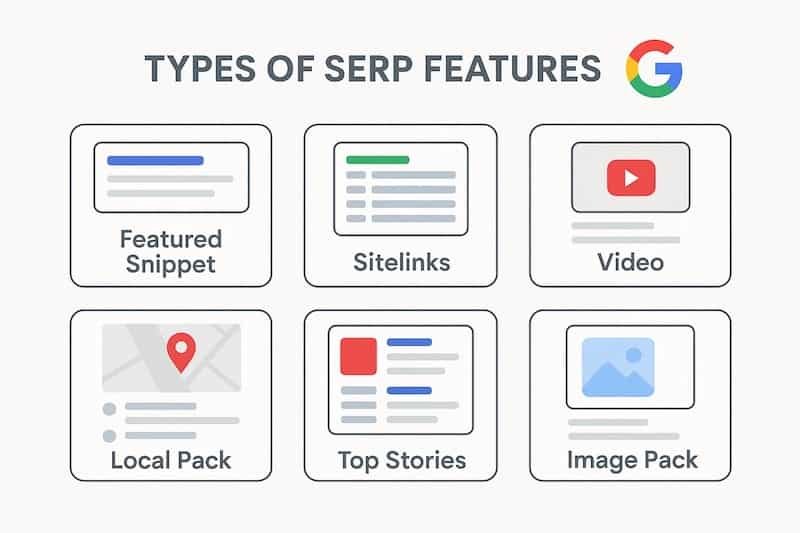
Modern search results pages include a variety of features beyond traditional blue links. These can dramatically increase your visibility if you optimize for them. Some of the most impactful SERP features include:
- Featured Snippets: These are highlighted boxes at the top of search results that provide quick answers. To target these, structure your content with clear headings, concise answers, and bullet points where appropriate.
- People Also Ask: Answer related questions within your content to increase the chance of being included in this expandable section.
- Site Links: Well-organized site structure and internal linking can help search engines display additional links to your pages beneath your main result.
- Knowledge Panels: For brands and organizations, maintaining accurate business information and using structured data can help secure a presence in these panels.
For a comprehensive overview of how search results pages are structured and how various elements interact, see this detailed guide to SERP features and their impact.

Best Practices for Effective SERP Content Optimization
To maximize your chances of ranking higher and capturing user attention, implement these proven strategies:
- Conduct Thorough Keyword Research: Identify not only primary keywords but also related terms, questions, and long-tail phrases that users might search for. Tools like Google Search Console and keyword research platforms can help uncover valuable opportunities.
- Craft Compelling Titles and Meta Descriptions: Your title tag and meta description are often the first things users see. Make them descriptive, relevant, and enticing to improve click-through rates.
- Use Clear Headings and Structure: Break content into logical sections using H2 and H3 tags. This helps both users and search engines understand your content’s hierarchy and relevance.
- Leverage Internal Linking: Connect related pages within your site to distribute authority and guide users to additional valuable resources. For example, integrating topics like How to combine broken link building with content marketing can enhance topical depth.
- Optimize for Mobile and Speed: Ensure your site loads quickly and displays correctly on all devices. Mobile usability is a significant ranking factor.
- Implement Schema Markup: Use structured data to help search engines better understand your content and qualify for rich results.
- Monitor and Update Content Regularly: Keep your information current and expand on topics as search trends evolve.
Common Pitfalls to Avoid
While optimizing for search results, it’s easy to fall into certain traps that can hinder your progress. Here are some mistakes to watch out for:
- Keyword Stuffing: Overusing keywords can make content unnatural and harm your rankings. Focus on readability and context.
- Neglecting User Intent: Failing to address what users are actually searching for can result in high bounce rates and low engagement.
- Ignoring Technical Issues: Broken links, slow loading times, and poor mobile experience can all negatively impact your visibility.
- Overlooking Internal Linking: Not connecting related pages can limit the flow of authority and reduce user engagement. For more on this, see What mistakes to avoid in broken link building.
Measuring the Success of Your Optimization Efforts
Tracking performance is essential to determine whether your SERP content optimization strategies are effective. Key metrics to monitor include:
- Rankings: Monitor your position for target keywords over time.
- Click-Through Rate (CTR): Analyze how often users click your result compared to how often it’s shown.
- Organic Traffic: Track the number of visitors arriving from search engines.
- User Engagement: Review metrics like time on page, bounce rate, and pages per session.
- Conversions: Assess whether organic visitors are completing desired actions, such as signing up or making a purchase.
Regularly reviewing these metrics allows you to identify areas for improvement and adjust your strategy accordingly.
FAQ
What is the difference between traditional SEO and SERP content optimization?
Traditional SEO focuses on improving a website’s overall visibility and authority, while SERP content optimization zeroes in on how individual pages appear and perform within search results. This includes targeting featured snippets, optimizing meta tags, and enhancing content structure to increase click-through rates.
How can I optimize my content for featured snippets?
To target featured snippets, provide clear and concise answers to common questions, use bullet points or numbered lists, and structure your content with relevant headings. Including schema markup can also help search engines better understand your content’s format.
Why is internal linking important for search performance?
Internal linking helps distribute authority across your site, guides users to related content, and assists search engines in crawling and indexing your pages. It also supports topical relevance, which can improve your chances of ranking for a broader range of queries.