
For brands and organizations aiming to stand out in search results, understanding how knowledge panels work on the search engine results page (SERP) is essential. These prominent information boxes, often displayed on the right side of Google’s results, can significantly boost a brand’s online presence and authority. This article breaks down the mechanics of knowledge panels, their impact on visibility, and actionable steps to help your brand appear in these coveted spots.
If you’re also interested in leveraging other SEO strategies, check out our guide on how to improve SEO with broken link building for additional ways to enhance your search performance.
What Are Knowledge Panels and Why Do They Matter?
A knowledge panel is a special feature in Google’s SERP that provides concise, authoritative information about entities such as businesses, people, organizations, or places. These panels are generated automatically, pulling data from trusted sources like Wikipedia, official websites, and structured databases. For brands, appearing in a knowledge panel can mean increased trust, higher click-through rates, and a strong visual presence that sets you apart from competitors.
Unlike standard organic listings, knowledge panels offer users a snapshot of key facts, social profiles, and related links, all in one place. This not only helps users find information quickly but also positions your brand as a credible source in your industry.
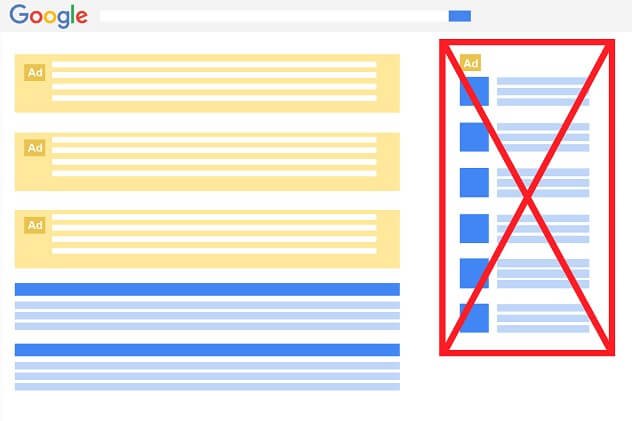
How Knowledge Panels Appear in Search Results
The process behind the appearance of these panels is driven by Google’s Knowledge Graph, a system that connects facts about people, places, and things. When a user searches for a recognized entity, Google’s algorithms determine if enough reliable information exists to generate a knowledge panel.
Typically, these panels display:
- Brand or entity name
- Logo or image
- Short description
- Key facts (founder, headquarters, founding date, etc.)
- Links to official website and social profiles
- Related searches or entities
The information is curated from a variety of sources, with a strong emphasis on accuracy and authority. For brands, this means that maintaining up-to-date and consistent information across the web is crucial for eligibility.
Optimizing for Knowledge Panel Placement
Gaining a spot in the knowledge panel section of the SERP isn’t guaranteed, but there are clear steps you can take to improve your chances. Here are some best practices:
- Establish Entity Authority: Ensure your brand is recognized as a distinct entity by creating a Wikipedia page, Wikidata entry, and maintaining a Google Business Profile if applicable.
- Use Structured Data Markup: Implement schema.org markup on your website to help search engines understand your brand’s key details. This includes organization, logo, social profiles, and contact information.
- Maintain Consistency: Make sure your brand’s name, address, and other facts are consistent across all online platforms, including your website, social media, and business directories.
- Leverage Authoritative Sources: Get your brand mentioned in reputable publications and directories. Google relies on trusted sources to verify information.
- Claim Your Panel: If your brand already appears in a knowledge panel, use the “Claim this knowledge panel” option to suggest edits and keep information accurate.
For more details on how Google’s algorithms process and display this information, you can refer to this comprehensive overview of Google’s search algorithm.
Brand Visibility Benefits from Knowledge Panels
Appearing in a knowledge panel offers several advantages for brands and organizations:
- Trust and Credibility: Users are more likely to trust brands featured in these panels, as Google only displays them for verified entities.
- Increased Click-Through Rates: A prominent display can draw more attention than regular listings, leading to higher engagement.
- Control Over Brand Narrative: By claiming your panel, you can suggest updates and ensure the information presented is accurate and up to date.
- Competitive Advantage: Standing out visually on the results page can help you outshine competitors who lack this feature.
These benefits make knowledge panels a valuable asset for any brand’s digital marketing strategy.
Common Challenges and How to Overcome Them
While the advantages are clear, some brands face hurdles in securing a knowledge panel. Here are common issues and solutions:
- Lack of Reliable Sources: If your brand isn’t mentioned in authoritative databases or media, Google may not have enough data to generate a panel. Focus on building citations and earning coverage from reputable outlets.
- Inconsistent Information: Discrepancies in your brand’s name, address, or other facts across the web can confuse search engines. Audit your online presence regularly to ensure consistency.
- Missing Structured Data: Not using schema markup can make it harder for Google to interpret your site’s content. Implement the appropriate structured data for organizations, people, or local businesses.
- Difficulty Claiming the Panel: Sometimes, the “Claim this knowledge panel” option isn’t available. In such cases, continue to improve your brand’s authority and monitor for changes.
Related Strategies for Enhanced SERP Performance
Optimizing for knowledge panels is just one aspect of a comprehensive search strategy. Combining this with other techniques, such as how to combine broken link building with content marketing, can further boost your brand’s visibility. Diversifying your approach ensures that your brand appears in multiple SERP features, not just knowledge panels.
FAQ: Knowledge Panel Optimization and SERP Visibility
How long does it take for a brand to appear in a knowledge panel?
The timeline varies depending on your brand’s online presence and the availability of reliable data. For well-established entities with strong citations and structured data, a panel can appear within weeks. For newer or less-documented brands, it may take several months of consistent effort.
Can I directly request Google to create a knowledge panel for my brand?
There is no direct application process. Google’s algorithms automatically generate panels based on available information. However, you can influence eligibility by improving your brand’s authority, consistency, and use of structured data.
What should I do if my knowledge panel contains incorrect information?
If your brand already has a panel, use the “Claim this knowledge panel” feature to suggest corrections. Additionally, update your official website and authoritative profiles to reflect accurate information, as Google often pulls data from these sources.
Are knowledge panels available for all types of entities?
Knowledge panels are most commonly available for notable entities such as businesses, public figures, organizations, and landmarks. Less prominent or new entities may not be eligible until they have sufficient online recognition and authoritative references.
Conclusion
Understanding how knowledge panels function within the SERP landscape is crucial for brands seeking to maximize their digital footprint. By focusing on entity authority, structured data, and consistent online information, you can increase your chances of being featured in these prominent search result boxes. Stay proactive in monitoring your brand’s presence and leverage related SEO strategies for comprehensive visibility.