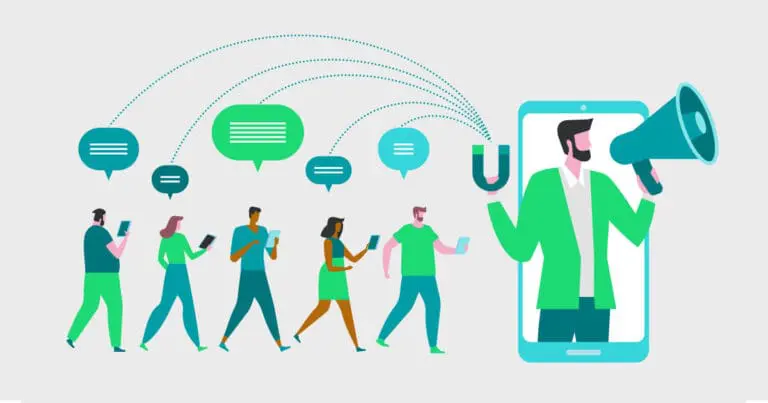
In today’s digital age, influencer marketing has become a powerful tool for brands to reach their target audience. However, the rise of fake influencers poses a significant challenge. Learning how to identify fake influencers is crucial for digital marketers to ensure their marketing efforts are effective and authentic.
Understanding the Rise of Influencers
The concept of influencer marketing has gained momentum over the years. It involves collaborating with individuals who have a substantial following on social media platforms. These influencers can sway their followers’ opinions and purchasing decisions. However, not all influencers are genuine. Some have resorted to unethical practices to inflate their follower count and engagement rates.
Why Fake Influencers are a Concern
Fake influencers can harm a brand’s reputation and waste marketing budgets. They often use bots or purchase followers to appear more popular than they are. This can lead to misleading analytics and ineffective marketing campaigns.
Identifying Fake Influencers: Key Indicators
Here are some tell-tale signs that can help digital marketers spot fake influencers:
1. Sudden Spike in Followers
A rapid increase in followers can be a red flag. Genuine growth is usually gradual. If you notice a sudden spike, it might indicate the purchase of followers.
2. Low Engagement Rate
Engagement rate is a crucial metric. If an influencer has a large following but low engagement, it might indicate fake followers. Genuine influencers tend to have higher engagement rates.
3. Suspicious Comment Patterns
Look for generic or repetitive comments. These are often left by bots. Authentic engagement is more personalized and varied.
4. Inconsistent Posting Schedule
Real influencers usually have a consistent posting schedule. Inconsistency might indicate a lack of genuine interest or commitment.
5. Poor Content Quality
Genuine influencers invest in quality content. If the content is subpar, it might suggest insincerity or lack of professionalism.
Using Tools to Verify Authenticity
Several tools can help verify the authenticity of an influencer. These tools analyze engagement rates, follower growth, and other metrics to provide insights into an influencer’s credibility.
1. Social Blade
Social Blade offers analytics for social media platforms. It can help identify suspicious follower growth patterns.
2. HypeAuditor
HypeAuditor provides detailed reports on influencer authenticity, including audience demographics and engagement rates.
3. InfluencerDB
InfluencerDB offers insights into influencer marketing. It shows data on engagement rates, follower growth, and more.
Collaborating with Genuine Influencers
Once you’ve identified genuine influencers, it’s essential to collaborate effectively. Building a strong relationship can lead to successful marketing campaigns.
1. Align with Brand Values
Choose influencers whose values align with your brand. This ensures authentic and effective collaborations.
2. Clear Communication
Maintain open communication with influencers. Set clear expectations and goals for collaborations.
3. Monitor Campaign Performance
Continuously monitor the performance of influencer campaigns. Use analytics to measure success and make necessary adjustments.
Conclusion
Identifying fake influencers is crucial for digital marketers aiming for successful marketing campaigns. By understanding key indicators and using verification tools, marketers can ensure they collaborate with genuine influencers. This not only enhances the effectiveness of marketing efforts but also protects a brand’s reputation.
Additional Resources
For more insights, you can visit Micro Influencers and learn about the Power of Influencer Marketing.
FAQs
1. What are fake influencers?
Fake influencers are individuals who use unethical methods, such as purchasing followers or using bots, to appear more influential than they are.
2. How can I verify an influencer’s authenticity?
You can use tools like Social Blade, HypeAuditor, and InfluencerDB to verify an influencer’s authenticity by analyzing their engagement rates, follower growth, and more.
3. Why is it important to avoid fake influencers?
Collaborating with fake influencers can harm your brand’s reputation and lead to ineffective marketing campaigns, wasting valuable resources.