
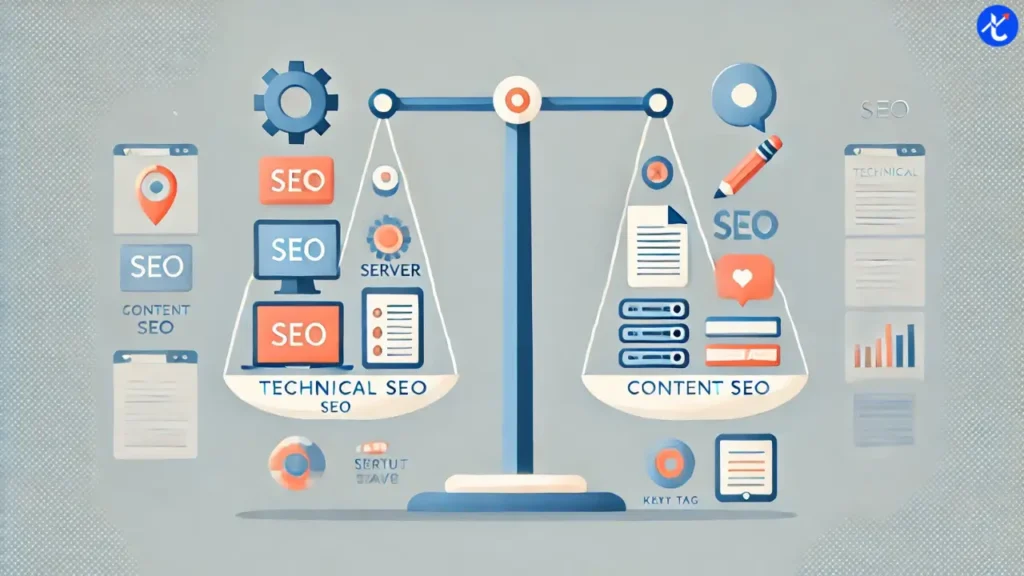
In today’s digital age, understanding how to combine content and technical SEO is crucial for achieving online success. Both aspects are vital components of a holistic SEO strategy, enabling websites to rank higher in search engine results pages (SERPs) and attract more organic traffic. This article explores the synergy between content and technical SEO, offering insights into their integration for digital marketers.
Understanding Content SEO
Content SEO focuses on optimizing the quality and relevance of the content on a website. This involves keyword research, crafting compelling headlines, and ensuring content resonates with the target audience. The main goal is to create valuable content that answers user queries, thereby improving user engagement and search visibility.
The Role of Technical SEO
Technical SEO involves optimizing the infrastructure of a website, ensuring that search engines can crawl and index content efficiently. This includes optimizing site speed, ensuring mobile-friendliness, and enhancing website security. For a detailed guide on technical SEO, refer to HubSpot’s comprehensive guide.
Why Combine Content and Technical SEO?
Combining content and technical SEO is essential because they complement each other. While content SEO focuses on user experience and engagement, technical SEO ensures that search engines can effectively access and interpret the content. Together, they create a seamless user experience and enhance search engine rankings.
Aligning Content with Technical SEO
To successfully combine content and technical SEO, it is crucial to align them strategically. This involves ensuring that technical aspects such as URL structure, meta tags, and schema markup support the content strategy. For example, using keyword-rich meta descriptions can improve click-through rates in search results.
Keyword Research and Technical Integration
Effective keyword research is a cornerstone of content SEO. By identifying relevant keywords, digital marketers can tailor their content to meet user intent. These keywords should also be integrated into technical elements like URLs, headers, and alt attributes, enhancing the overall SEO strategy.
Site Architecture and Content Hierarchy
A well-structured site architecture is essential for both content and technical SEO. It ensures that content is organized logically, making it easier for both users and search engines to navigate. A clear content hierarchy, supported by breadcrumb navigation, improves user experience and boosts SEO performance.
Optimizing Page Speed
Page speed is a critical factor in technical SEO. Fast-loading pages improve user experience and reduce bounce rates. Digital marketers should prioritize optimizing images, leveraging browser caching, and minimizing server response times to enhance page speed.
Mobile-Friendliness and Responsive Design
With the increasing use of mobile devices, ensuring mobile-friendliness is paramount. A responsive design adapts to various screen sizes, providing a seamless experience across devices. This is crucial for both user engagement and search rankings, as search engines prioritize mobile-friendly websites.
Schema Markup and Content Visibility
Implementing schema markup enhances content visibility in search results. It provides search engines with additional context about the content, improving the chances of appearing in rich snippets. This technical optimization complements content SEO efforts by increasing click-through rates and driving more organic traffic.
Optimizing for Voice Search
Voice search is becoming increasingly popular, necessitating adaptations in SEO strategies. Content should be optimized for natural language queries and long-tail keywords. Technical aspects, such as ensuring fast page load times and providing concise answers, enhance voice search optimization.
Monitoring and Analytics
Continuous monitoring and analysis are essential for refining SEO strategies. Tools like Google Analytics and Google Search Console provide insights into website performance, helping digital marketers identify areas for improvement. By analyzing data, adjustments can be made to both content and technical aspects, ensuring ongoing optimization.
Utilizing Internal and External Links
Link building is a fundamental aspect of SEO. Internal links connect related content, enhancing site navigation and distributing link equity. External links from reputable sources boost authority and credibility. For more on internal linking strategies, explore this resource.
Common Challenges and Solutions
Integrating content and technical SEO can present challenges, such as balancing keyword optimization with natural language. Additionally, technical issues like crawl errors or slow site speed can hinder SEO efforts. Addressing these challenges requires a comprehensive approach, combining technical audits with content refinement.
The Future of SEO: Emerging Trends
The future of SEO is dynamic, with emerging trends shaping strategies. Artificial intelligence, machine learning, and user experience are becoming increasingly important. Staying updated with these trends ensures that digital marketers can adapt their strategies and maintain a competitive edge.
Adaptation and Continuous Learning
SEO is an evolving field, requiring constant adaptation and learning. Digital marketers should stay informed about algorithm updates and industry developments. By embracing change and continuously refining strategies, they can achieve sustained success in the digital landscape.
Conclusion
In conclusion, understanding how to combine content and technical SEO is vital for digital marketers aiming to improve search rankings and drive organic traffic. By aligning content with technical elements, optimizing for user experience, and staying informed about emerging trends, marketers can create a robust SEO strategy that delivers long-term success.

FAQs
What is the difference between content and technical SEO?
Content SEO focuses on optimizing the quality and relevance of website content, while technical SEO involves optimizing the infrastructure to ensure efficient crawling and indexing by search engines.
How can I improve my website’s page speed?
Improving page speed involves optimizing images, leveraging browser caching, and minimizing server response times. These technical optimizations enhance user experience and search rankings.
What role does mobile-friendliness play in SEO?
Mobile-friendliness is crucial for SEO, as search engines prioritize websites that provide a seamless experience across devices. A responsive design ensures that content adapts to various screen sizes, improving user engagement.