Ensuring the safety of your short-term rental is not just a matter of good hospitality—it’s a responsibility. Carbon monoxide sensors for Airbnb properties are essential for protecting guests from a dangerous, invisible threat. Carbon monoxide (CO) is a colorless, odorless gas that can be lethal in high concentrations, and it can come from common sources like gas appliances, fireplaces, and heating systems. For hosts, installing reliable CO detectors is a simple step that can prevent tragedy, build trust, and even help meet local regulations or platform requirements.
In this guide, you’ll find practical advice on choosing the right CO sensors, recommended features, and tips for installation and maintenance. We’ll also highlight some of the top-rated products for hosts, so you can make an informed decision that keeps your rental safe and your guests at ease.
Before diving into the details, it’s worth noting that safety upgrades can also enhance your property’s reputation and search visibility. For hosts interested in boosting their online presence, resources like How to improve SEO with broken link building offer actionable strategies to attract more bookings.
Why Every Short-Term Rental Needs CO Detection
Many travelers expect basic safety features when booking accommodations. Carbon monoxide sensors in Airbnb rentals are not just a best practice—they’re increasingly required by law or by the platform itself. In the event of a CO leak, a working detector can alert guests before symptoms like headaches, dizziness, or worse occur. This proactive approach demonstrates care for your guests and can help you avoid liability issues.
- Legal Compliance: Many cities and states mandate CO detectors in rental properties.
- Guest Confidence: Visible safety devices reassure guests and can lead to better reviews.
- Platform Requirements: Airbnb and similar platforms may require proof of CO and smoke detectors for certain listings.
Key Features to Look for in CO Sensors for Rentals
Not all detectors are created equal. When selecting a carbon monoxide sensor for Airbnb use, prioritize the following:
- Certification: Look for UL or equivalent safety certification to ensure reliability.
- Battery Life: Choose models with long-life batteries or hardwired options with battery backup.
- Smart Alerts: Some devices send notifications to your phone, allowing remote monitoring and quick response.
- Combination Units: Consider dual smoke and CO detectors for streamlined installation.
- Easy Testing: Test buttons and clear indicator lights help with regular maintenance.
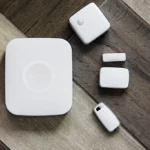
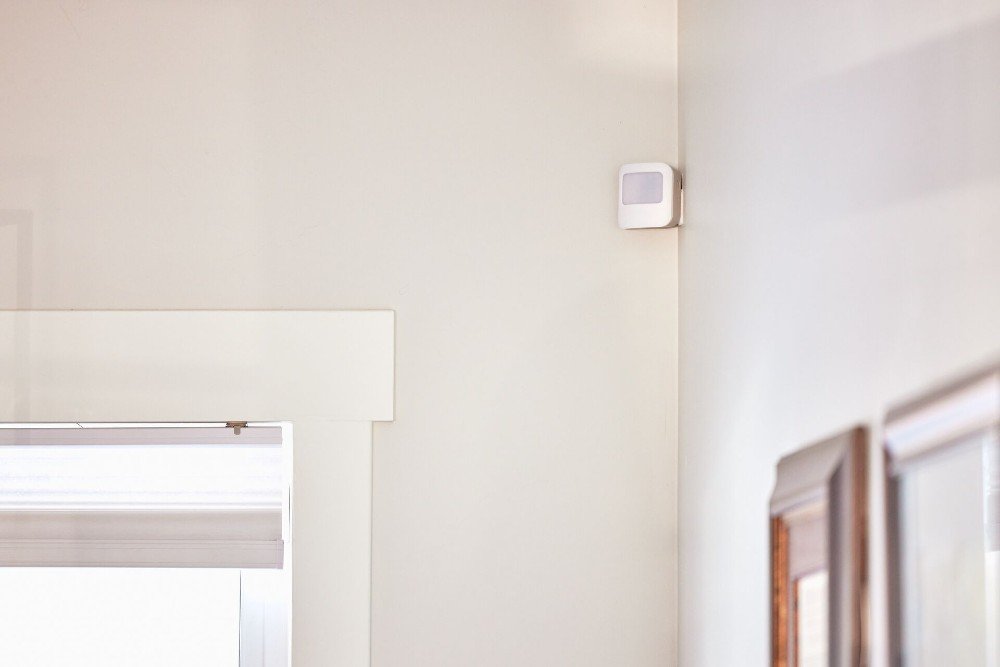
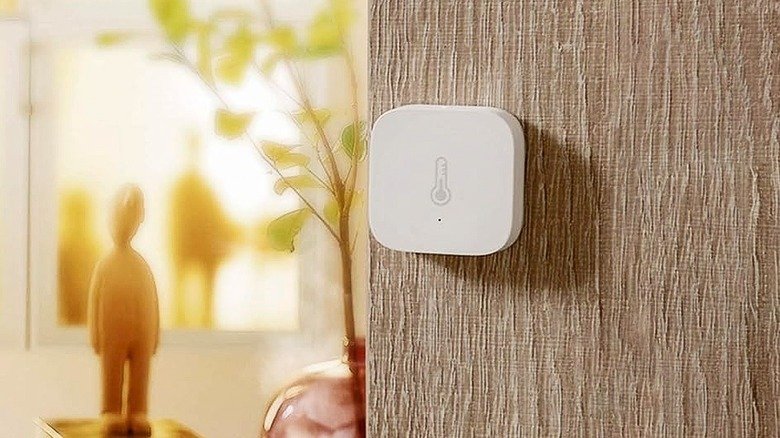
For hosts interested in a comprehensive approach to smart safety, you can explore more about essential smart home sensors that can further enhance guest protection.
Top Picks: Reliable CO Detectors for Airbnb Hosts
When it comes to safeguarding your rental, investing in a trusted CO detector is non-negotiable. Here are some of the most recommended options for hosts:
- First Alert Onelink Safe & Sound: This smart detector combines smoke and CO detection with voice alerts and app notifications. Its integration with smart home systems makes it ideal for remote management.
- Kidde Battery-Operated CO Alarm: Known for its reliability and affordability, this model is easy to install and features a loud alarm and test/reset button.
- Nest Protect: Offers both smoke and CO detection, smartphone alerts, and self-testing features. The sleek design and user-friendly interface make it a favorite among tech-savvy hosts.
Remember to check compatibility with your property’s wiring and consider whether you prefer a standalone or combination unit. Smart features can be especially useful for hosts managing multiple properties or those who travel frequently.
Installation and Placement Tips for Maximum Safety
Proper placement of carbon monoxide sensors in Airbnb properties is crucial. Here are some guidelines to ensure optimal protection:
- Install detectors on every level of the home, including basements and near sleeping areas.
- Place units at least 15 feet away from fuel-burning appliances to avoid false alarms.
- Do not install CO detectors directly above or beside fireplaces or gas stoves.
- Follow the manufacturer’s instructions for mounting height—some recommend wall placement, others ceiling.
- Test alarms monthly and replace batteries as recommended.
Regular maintenance is just as important as installation. Mark your calendar for annual checks, and always replace units according to the manufacturer’s lifespan—usually every 5–10 years.
Additional Safety Measures for Airbnb Hosts
While CO detectors are a must, consider these extra steps to further protect your guests:
- Schedule annual inspections of all fuel-burning appliances.
- Install smoke detectors and ensure they are working properly.
- Provide clear emergency instructions in your guest welcome book.
- Label the location of all safety devices for easy guest reference.
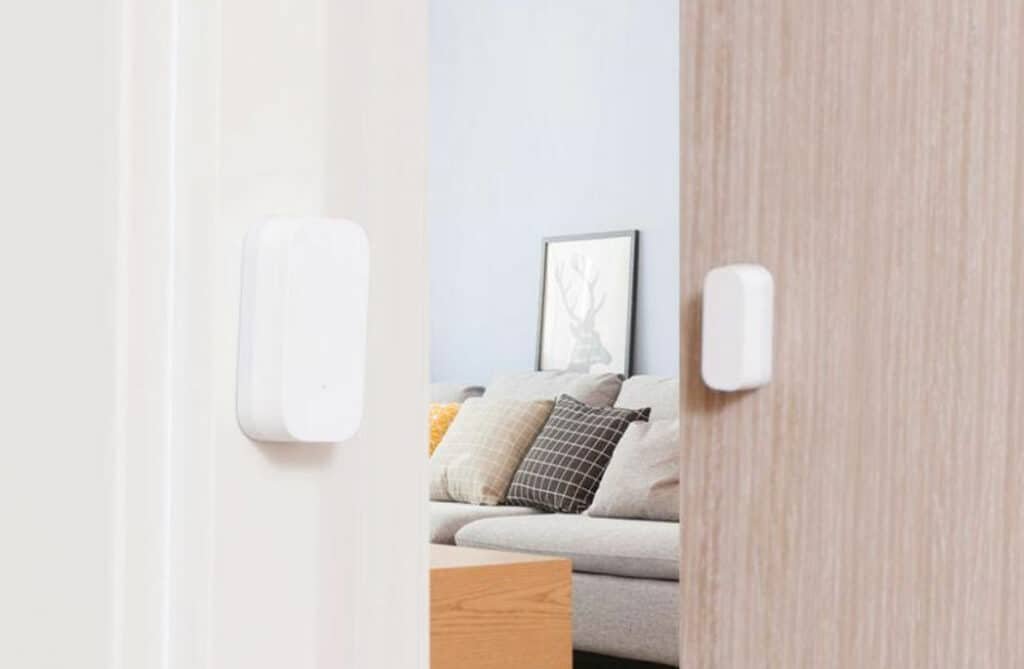
- Consider smart sensors for water leaks, motion, or entry for a more comprehensive safety net.
Integrating these measures can help you stand out as a responsible host and may even reduce insurance premiums. For those looking to optimize their hosting strategy, learning how to combine broken link building with content marketing can help attract more safety-conscious guests.
FAQ: Carbon Monoxide Safety in Short-Term Rentals
How often should I test and replace my CO detectors?
Test your CO alarms monthly by pressing the test button. Replace batteries at least once a year, or as indicated by the manufacturer. The entire unit should be replaced every 5–10 years, depending on the model.
Are combination smoke and CO detectors as effective as separate units?
Yes, combination units are designed to meet the same safety standards as standalone detectors. They offer the convenience of dual protection and can simplify installation and maintenance, especially in smaller spaces.
What should I do if a guest reports a CO alarm going off?
Instruct guests to leave the property immediately and call emergency services. Do not re-enter until the source has been identified and resolved by professionals. Follow up with an inspection of all fuel-burning appliances before allowing new guests to check in.
Do I need to provide instructions for guests about the CO detector?
Absolutely. Include a brief explanation in your welcome materials about what the alarm sounds like, what to do if it goes off, and where the detectors are located. This empowers guests to act quickly in an emergency.
Conclusion: Prioritizing Guest Safety with the Right CO Sensors
Investing in quality carbon monoxide sensors for Airbnb properties is a critical step in providing a safe and welcoming environment. By choosing certified detectors, installing them in the right locations, and maintaining them regularly, you protect your guests and your reputation. Combine this with other smart safety upgrades and clear communication, and your rental will stand out as a trustworthy, guest-focused space.