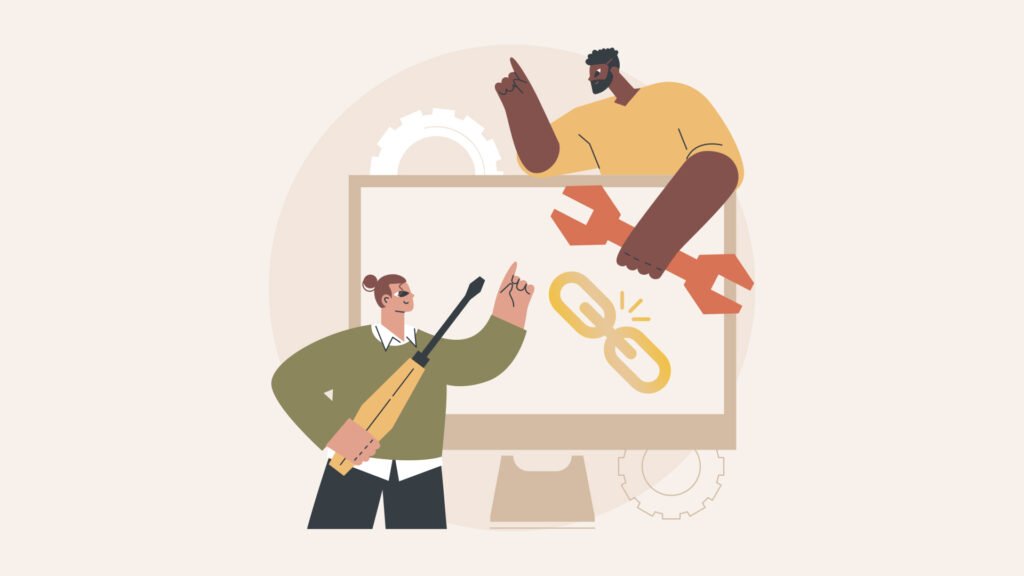
Backlinks are a fundamental part of any successful SEO strategy. When other websites link to your pages, it signals authority and trust to search engines. However, not all backlinks remain valuable over time. Some links break due to deleted pages, changed URLs, or site migrations. These broken connections can negatively impact your site’s search performance and user experience. Understanding how to identify broken backlinks is crucial for maintaining a healthy link profile and maximizing your SEO efforts.
This article provides a step-by-step approach to finding and addressing dead links pointing to your website. You’ll learn about the tools, techniques, and best practices for uncovering these issues and turning them into opportunities for growth. If you’re looking to strengthen your site’s authority, keeping your backlink profile clean and functional should be a top priority.
To further enhance your understanding of backlink management, consider exploring resources and services that specialize in SEO link analysis. These can help you stay ahead of issues before they affect your rankings.
For those interested in professional support, contacting a backlink expert can provide tailored solutions for your website’s unique needs.
Why Broken Backlinks Matter for SEO
When a backlink leads to a non-existent or error page, it not only wastes valuable link equity but can also harm your site’s reputation. Search engines may view a high number of dead links as a sign of neglect or poor site maintenance. This can result in lower rankings and reduced organic traffic.
Additionally, users who click on a broken link may quickly leave your site, increasing bounce rates and diminishing trust. By regularly checking for and fixing these issues, you ensure that both search engines and visitors have a positive experience.
Common Causes of Dead Backlinks
Understanding the typical reasons why links break can help you prevent future problems. Some of the most frequent causes include:
- Page Deletion: The linked page has been removed from your site.
- URL Changes: The structure of your URLs has changed without proper redirects.
- Site Migrations: Moving to a new domain or CMS without updating old links.
- Typographical Errors: Mistakes in the URL when the backlink was created.
- External Site Issues: The referring website may have removed or altered the link.
Step-by-Step Guide to Finding Broken Backlinks
Effectively locating dead links pointing to your site involves a combination of automated tools and manual checks. Here’s a practical process to follow:
1. Use a Backlink Analysis Tool
Start by gathering a list of all inbound links to your website. There are several reliable tools available for this purpose. For example, the Seobility Backlink Checker allows you to quickly scan your domain and export a list of referring URLs.
2. Check for 404 Errors and Redirects
Once you have your backlink data, the next step is to identify which links are pointing to pages that no longer exist. Look for HTTP status codes such as 404 (Not Found) or 410 (Gone). Many backlink tools will highlight these errors automatically, but you can also use website crawlers or Google Search Console for additional verification.

3. Analyze the Source of the Broken Link
After identifying which backlinks are broken, examine the referring page. Is the link coming from a reputable source? Is it a high-authority website or a low-quality directory? This information will help you prioritize which links to reclaim or update.
4. Reach Out for Link Reclamation
For valuable backlinks, consider contacting the site owner or webmaster. Politely inform them that their link is currently leading to a non-existent page and provide the correct URL if available. Many webmasters appreciate the notification and will update the link, restoring its value to your site.
5. Implement Redirects Where Appropriate
If you control the destination of the broken link, set up a 301 redirect from the old URL to the most relevant existing page. This ensures that any residual link equity is preserved and users are directed to helpful content.
Best Tools for Spotting Dead Backlinks
Several platforms can help automate the process of finding and managing broken backlinks. Here are a few options to consider:
- Seobility Backlink Checker: Offers a comprehensive overview of your backlink profile and highlights dead links.
- Ahrefs: Provides detailed reports on lost and broken backlinks, including historical data.
- Google Search Console: Alerts you to crawl errors and broken links discovered by Google’s bots.
- Screaming Frog: A website crawler that can identify broken internal and external links.
Using a combination of these tools ensures thorough coverage and helps you stay proactive in maintaining your link health.

Tips for Preventing Future Broken Backlinks
While it’s important to fix existing issues, prevention is equally vital. Here are some strategies to reduce the risk of broken backlinks in the future:
- Maintain Consistent URL Structures: Avoid unnecessary changes to your URLs. If changes are needed, always implement proper redirects.
- Monitor Site Changes: Before deleting or moving pages, check if they have inbound links. Redirect or update as needed.
- Regular Backlink Audits: Schedule periodic reviews of your backlink profile to catch issues early.
- Communicate with Partners: If you collaborate with other sites, keep them informed about any relevant changes to your content.
Turning Broken Links into SEO Opportunities
Discovering dead backlinks isn’t just about fixing problems—it can also create new growth opportunities. When you find a valuable backlink that’s broken, you can reclaim it by updating the destination or reaching out to the referring site. Additionally, you can use this information to build relationships with other webmasters, offer updated resources, or even gain new backlinks by providing better alternatives.
Staying proactive with your link management not only protects your existing SEO value but can also help you expand your reach and authority over time.
Frequently Asked Questions
What is a broken backlink?
A broken backlink is an incoming link from another website that points to a page on your site that no longer exists or returns an error, such as a 404 Not Found. These links do not pass value and can negatively affect SEO if left unaddressed.
How often should I check for dead backlinks?
It’s recommended to audit your backlink profile at least quarterly. However, if your site undergoes frequent updates or migrations, more regular checks can help you catch and fix issues promptly.
Can fixing broken backlinks improve my search rankings?
Yes, repairing or reclaiming lost link equity can have a positive impact on your site’s authority and search engine rankings. Ensuring that valuable links point to live, relevant pages helps maintain your site’s reputation and visibility.