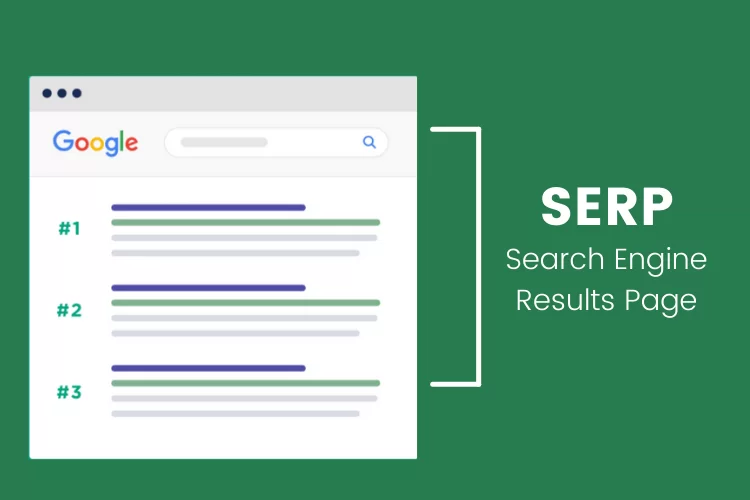
Earning a featured snippet position in Google’s search results can significantly boost your website’s visibility and organic traffic. These highlighted answer boxes appear at the very top of the search results, often above the first organic listing, making them highly coveted by SEOs and content creators. Understanding how to rank for featured snippets involves a mix of strategic content creation, technical optimization, and a keen awareness of user intent.
This article will guide you through the essential steps to increase your chances of appearing in these prominent positions. Along the way, you’ll find practical tips, examples, and insights into what makes content snippet-worthy. For those interested in leveraging other advanced SEO strategies, you might also want to explore how to improve SEO with broken link building to further strengthen your site’s authority.
Understanding Google’s Featured Snippets
Before diving into optimization tactics, it’s important to understand what a featured snippet is and why it matters. A featured snippet is a selected search result that appears in a box at the top of Google’s organic results, directly answering the user’s query. These can take several forms, including paragraphs, lists, tables, and occasionally videos.
Google pulls this information from web pages that it deems to provide the most relevant and concise answers. The search engine’s goal is to help users find information quickly, so content that is clear, well-structured, and directly addresses common questions is more likely to be chosen.
Types of Featured Snippets and Why They Matter
There are several primary types of featured snippets, each suited to different kinds of search queries:
- Paragraph snippets: Short text answers, often 40–60 words, ideal for definitions or direct answers.
- List snippets: Ordered or unordered lists, commonly used for step-by-step instructions or rankings.
- Table snippets: Data presented in a table format, useful for comparisons or structured information.
Understanding which format matches your target queries will help you structure your content for maximum snippet potential. For more details on how search engine results pages work, check out this comprehensive guide to SERP features.
Key Strategies to Optimize Content for Snippet Positions
To improve your chances of being selected for a featured snippet, focus on the following actionable strategies:
1. Identify Snippet Opportunities with Keyword Research
Start by researching keywords that already trigger featured snippets. Use tools like SEMrush, Ahrefs, or Google Search itself to find queries where snippets appear. Look for question-based keywords (who, what, where, when, why, how) and long-tail queries, as these are more likely to have snippet boxes.
2. Structure Content for Clarity and Relevance
Google favors content that is organized and easy to scan. Use clear headings (H2, H3), bullet points, and concise paragraphs. When targeting a paragraph snippet, aim to answer the query directly in a single, well-written sentence or short paragraph. For lists, use HTML lists to present steps or items clearly.
3. Answer Questions Directly and Early
Place the most important answer as close to the top of your content as possible. For example, if targeting “how to rank for featured snippets,” provide a direct answer immediately after the heading, then elaborate with supporting details. This increases the likelihood that Google will select your content for the answer box.
4. Use Schema Markup Where Appropriate
While schema is not a direct ranking factor for snippets, it helps Google understand your content’s structure. Implement FAQ, HowTo, or Q&A schema to enhance your chances of being featured, especially for instructional or question-based content.
5. Optimize Existing High-Ranking Pages
If your page already ranks in the top 10 for a target keyword, you have a higher chance of being chosen for a snippet. Review these pages and refine their content to match snippet formats—add succinct answers, lists, or tables as needed.

Common Pitfalls to Avoid When Targeting Snippets
While optimizing for featured snippets, avoid these frequent mistakes:
- Over-optimization: Stuffing keywords or creating unnatural content can reduce your chances of being selected.
- Ignoring search intent: Make sure your content matches what users are actually looking for—don’t just answer the question, provide context and value.
- Lack of structure: Walls of text or poorly formatted content are less likely to be chosen.
- Neglecting updates: Featured snippets can change frequently. Regularly review and update your content to maintain visibility.
For those managing multiple SEO campaigns, consider reading about how to scale broken link building campaigns to complement your snippet optimization efforts.
Measuring Success and Next Steps
After implementing these strategies, track your progress using Google Search Console and third-party SEO tools. Monitor which queries trigger snippets for your site, and analyze click-through rates for those pages. If you lose a snippet, review competing content and adjust your approach accordingly.
Remember, ranking for these coveted positions is an ongoing process. Stay updated with Google’s algorithm changes, continue refining your content, and always prioritize user value.
FAQ: Featured Snippet Optimization
What types of queries are most likely to trigger a featured snippet?
Queries that are question-based (starting with who, what, where, when, why, or how), as well as those seeking definitions, instructions, or comparisons, are most likely to trigger a snippet. Long-tail keywords and specific informational searches also have a higher chance.
Can any website appear in a featured snippet?
Yes, any website can be selected for a snippet as long as its content is relevant, well-structured, and ranks within the top 10 for the target query. However, authoritative domains with high-quality content have a competitive advantage.
How often do featured snippets change?
Google updates snippet selections frequently, sometimes daily. Changes depend on new content, user behavior, and algorithm adjustments. Regularly updating and optimizing your content can help maintain or regain snippet positions.