Keeping your website’s content up to date is crucial for both user experience and SEO. One of the most effective strategies for earning high-quality backlinks is through broken link building. This approach involves identifying dead links on other websites and offering your own relevant, updated content as a replacement. To make this tactic work, your pages must be optimized and ready to serve as valuable resources.
In this article, you’ll learn practical steps to refresh your pages and maximize your chances of acquiring backlinks through this method. We’ll cover how to identify content opportunities, what updates to prioritize, and how to ensure your pages stand out as the best replacement for broken links.
For a deeper dive into maximizing the impact of this strategy, see How to improve SEO with broken link building.
Why Refreshing Your Pages Matters for Link Acquisition
When you reach out to site owners about replacing a dead link, they’ll only consider your suggestion if your content is relevant, up-to-date, and more valuable than the original. Outdated or thin pages are unlikely to earn a spot, even if they technically cover the same topic. That’s why it’s essential to update your content for broken link building before beginning outreach.
- Improved relevance: Updated information makes your page a better fit for current search intent and user needs.
- Higher authority: Comprehensive, well-cited content signals expertise and trustworthiness.
- Increased conversion: Fresh content is more likely to attract both links and organic traffic.
Identifying the Right Pages to Update
Not every page on your site is a good candidate for this strategy. Focus on resources that are closely aligned with the topics of broken links you’ve discovered. Use tools like Google Search, Ahrefs, or SEMrush to find broken links in your niche. For more details on the process, refer to this comprehensive guide to broken link building.
Once you’ve identified relevant opportunities, audit your existing pages to determine which ones need updating. Look for:
- Pages that cover similar topics as the dead resources
- Content that is outdated, missing recent developments, or lacking depth
- Articles with thin word counts or poor formatting
- Resources that could benefit from additional media, such as images or infographics
Steps to Optimize Content for Broken Link Outreach
To maximize your success rate, follow these actionable steps to enhance your pages before pitching them as replacements.
1. Update Statistics and References
Outdated data is a red flag for both site owners and readers. Replace old statistics with the latest figures, and ensure all external references are current and from reputable sources. This demonstrates that your resource is actively maintained.
2. Expand and Deepen the Content
Thin content rarely earns backlinks. Add new sections, answer common questions, and provide actionable advice. Use bullet points, numbered lists, and clear subheadings to improve readability. Consider referencing related strategies, such as how to combine broken link building with content marketing, to offer additional value.
3. Improve Formatting and Visual Appeal
Well-formatted articles are easier to scan and more appealing to webmasters. Use concise paragraphs, descriptive headings, and relevant images. Embedding visuals can also help your page stand out as a superior replacement.
4. Fix Internal and Outbound Links
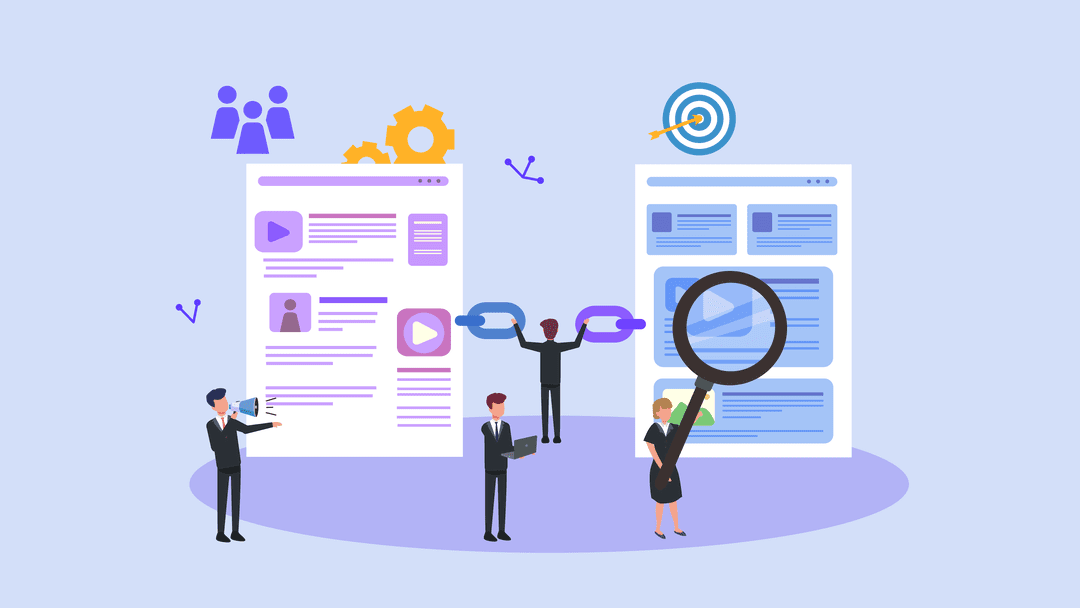
Before suggesting your page as a replacement, ensure all your own links are working. Broken internal or outbound links can undermine your credibility. Use tools or plugins to scan for and repair any dead links within your content.
5. Add Unique Value
To stand out, include elements the original resource lacked. This could be expert commentary, downloadable templates, or interactive tools. The more unique and actionable your page, the more likely it will be chosen as a replacement.
Best Practices for Outreach Success
Once your content is optimized, your outreach strategy is the next critical step. Here are some best practices to improve your response rate:
- Personalize your emails: Reference the webmaster’s site and explain why your updated resource is a better fit.
- Be concise: Keep your message brief and to the point, highlighting the value of your content.
- Follow up: If you don’t receive a response, send a polite follow-up after a week or two.
- Avoid common pitfalls: For more on this, see what mistakes to avoid in broken link building.
Tracking and Scaling Your Efforts
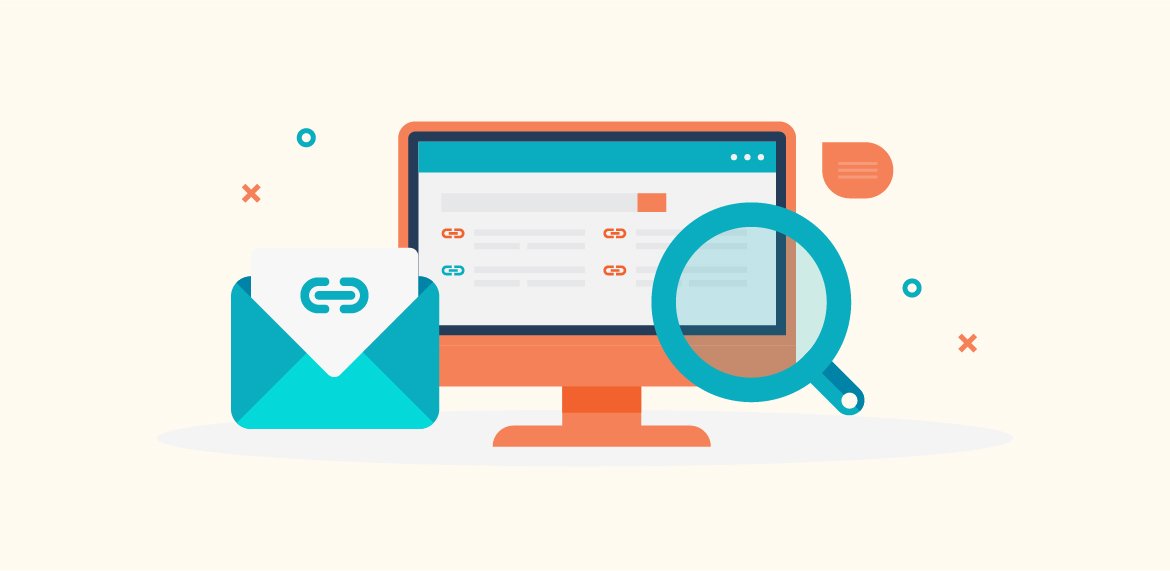
After you’ve updated your pages and started outreach, it’s important to monitor your results. Track which pages attract the most backlinks and which outreach messages yield the highest response rates. Use these insights to refine your process and scale your campaigns. For advanced tactics, explore how to scale broken link building campaigns.
Regularly revisit your top-performing pages to ensure they remain current and continue to serve as valuable resources for other sites. This ongoing maintenance will help you sustain and grow your backlink profile over time.
FAQ
How do I find broken link opportunities relevant to my content?
Use SEO tools like Ahrefs, SEMrush, or Google Search Console to identify broken links in your niche. Focus on sites and pages that are topically related to your own, and look for opportunities where your updated resources can serve as a direct replacement.
What are the most important updates to make before outreach?
Prioritize updating statistics, improving formatting, adding new sections, and ensuring all links work. Make sure your page is more comprehensive and valuable than the original dead resource.
How often should I update my pages for ongoing link building?
Review your key resources at least every six months. Update any outdated information, add new insights, and check for broken links to keep your content fresh and competitive for future outreach.
Can I use this strategy for any type of content?
While most content types can benefit, resources such as guides, tutorials, and in-depth articles are especially effective. The key is to ensure your page is a natural and valuable replacement for the original broken link.
Are there risks to updating content too frequently?
Frequent updates are generally positive, but avoid making changes that disrupt URLs or drastically alter the topic, as this can confuse users and search engines. Focus on incremental improvements and maintaining topical relevance.