
In today’s digital age, influencer marketing in luxury goods has become a pivotal strategy for brands seeking to expand their reach and engage with affluent audiences. The intersection of luxury brands and influencer partnerships offers unique opportunities and challenges. This article delves into the nuances of this marketing avenue, exploring its significance and evolving trends.

The Rise of Influencer Marketing
The concept of influencer marketing has gained remarkable traction over the past decade. As social media platforms burgeoned, individuals who amassed large followings began to wield significant sway over consumer behavior. Luxury brands, which traditionally relied on exclusivity and prestige, have embraced this trend to tap into younger demographics and remain relevant in a fast-evolving market.
Understanding Luxury Goods
Luxury goods are characterized by their premium quality, exclusivity, and high price points. These products often serve as status symbols, reflecting the consumer’s success and discerning taste. The allure of luxury items lies in their craftsmanship, heritage, and the prestige associated with owning them.
The Role of Influencers in Luxury Marketing
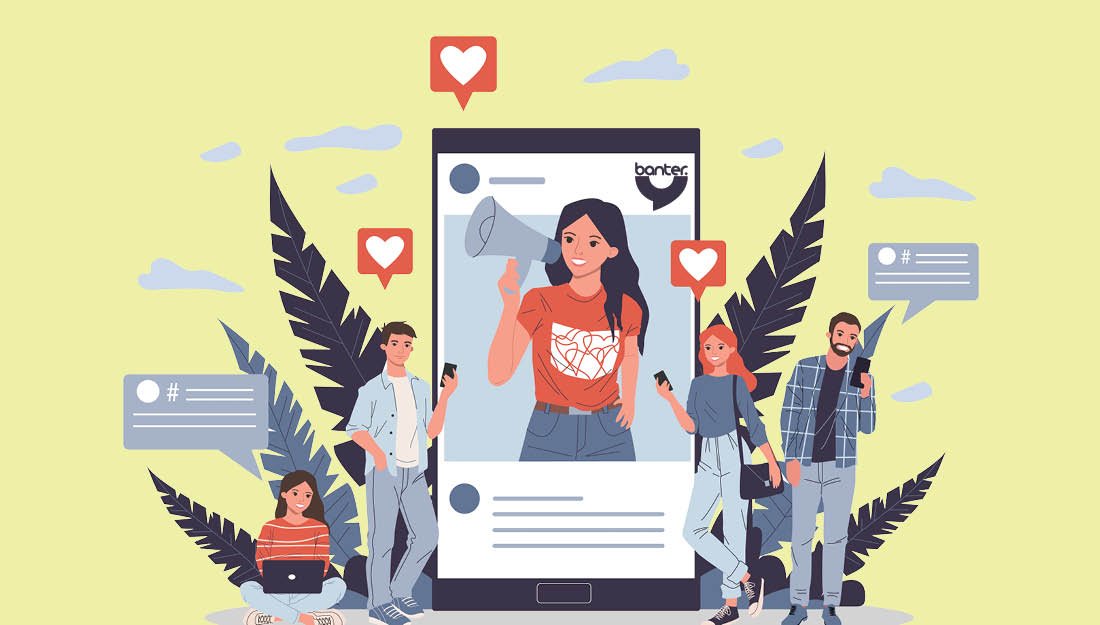
Influencers play a crucial role in shaping consumer perceptions and driving purchasing decisions. In the realm of luxury goods, influencers often embody the lifestyle and values that these brands wish to project. By aligning with the right influencers, luxury brands can enhance their image and connect with their target audience on a more personal level.
Impact on Consumer Behavior
Influencers have the power to sway consumer opinions and behaviors. A recommendation from a trusted influencer can significantly impact a consumer’s decision to purchase a luxury item. This trust stems from the perceived authenticity and relatability of influencers, making their endorsements highly effective.
Key Trends in Influencer Marketing for Luxury Goods
Several trends have emerged in the landscape of influencer marketing within the luxury sector:
Micro-Influencers
While mega-influencers with millions of followers were once the go-to choice for luxury brands, there is a growing trend towards partnering with micro-influencers. These influencers, who have smaller but highly engaged audiences, often offer higher levels of authenticity and trust.
Long-Term Partnerships
Brands are increasingly seeking long-term collaborations with influencers rather than one-off campaigns. This approach allows for deeper integration of the brand into the influencer’s content and fosters a more genuine connection with the audience.
Experiential Marketing
Influencers are being invited to exclusive events and experiences, which they then share with their followers. This strategy not only promotes the luxury brand but also reinforces its image as a purveyor of unique and coveted experiences.
Challenges in Influencer Marketing for Luxury Brands
Despite its potential, influencer marketing in the luxury sector is not without challenges:
Maintaining Brand Exclusivity
Luxury brands must carefully select influencers who align with their image and values. Overexposure or association with unsuitable influencers can dilute a brand’s exclusivity.
Authenticity Concerns
As influencer marketing becomes more widespread, consumers are becoming increasingly skeptical of sponsored content. Brands must ensure that their influencer partnerships are perceived as genuine and not purely transactional.
The Future of Influencer Marketing in Luxury Goods
As the digital landscape continues to evolve, so too will the strategies surrounding influencer marketing in the luxury sector. Brands will need to adapt to changing consumer expectations, technological advancements, and the ever-shifting dynamics of social media platforms.
Embracing New Technologies
Virtual and augmented reality, along with AI-driven analytics, are set to revolutionize how luxury brands engage with influencers and consumers alike. These technologies will enable more immersive and personalized marketing experiences.
Sustainability and Social Responsibility
Consumers are increasingly valuing sustainability and ethical practices. Luxury brands that align with influencers who advocate for these values will likely resonate more with modern audiences.
For more insights on how influencer marketing is shaping different sectors, check out our article on influencer marketing in beauty.
To understand the intricacies of this marketing strategy, you can explore this comprehensive guide on influencer marketing.
Conclusion
The intersection of influencer marketing and luxury goods presents a dynamic and evolving landscape. As brands continue to navigate this terrain, the focus will increasingly be on authenticity, strategic partnerships, and aligning with the values of their target audience. By doing so, luxury brands can harness the full potential of influencer marketing to enhance their prestige and reach.
FAQs
Why is influencer marketing important for luxury brands?
Influencer marketing is crucial for luxury brands as it allows them to connect with younger audiences and maintain relevance in the digital age. Influencers can help amplify brand values and drive consumer engagement.
What challenges do luxury brands face in influencer marketing?
Luxury brands face challenges such as maintaining exclusivity, ensuring authenticity, and selecting the right influencers who align with the brand’s image and values.
How can luxury brands ensure effective influencer partnerships?
Luxury brands can ensure effective partnerships by engaging in long-term collaborations, focusing on micro-influencers, and aligning with influencers who share similar values and aesthetics.