
In the rapidly evolving world of fashion, influencer marketing has emerged as a powerful tool for brands to connect with audiences. As digital platforms continue to grow, fashion brands are leveraging the reach and influence of social media influencers to promote their products and enhance their brand image. In this article, we will delve into the dynamics of influencer marketing in fashion and explore why it is an essential strategy for modern marketing.
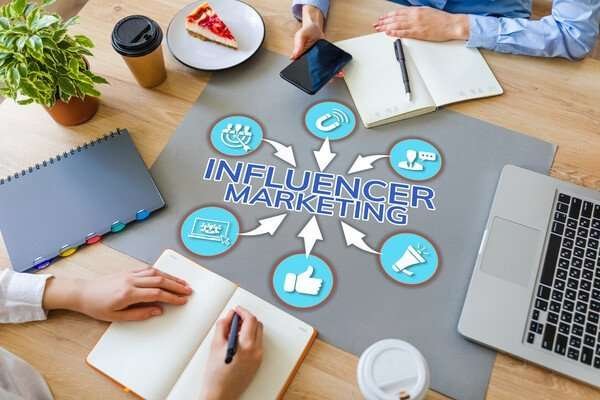
What is Influencer Marketing?
Influencer marketing is a form of social media marketing that involves endorsements and product placements by influencerspeople with a dedicated social following. These influencers are seen as experts within their niche, and their recommendations can significantly impact consumer behavior.
According to Mailchimp, influencer marketing is a partnership between brands and influencers to reach wider audiences. It capitalizes on the credibility and reach of influencers to drive brand awareness and sales.
Why Fashion Brands Use Influencer Marketing
The fashion industry is highly visual, making it ideal for social media platforms like Instagram, TikTok, and Pinterest. Fashion brands use influencer marketing to showcase their products in real-world settings, helping potential customers visualize themselves wearing the brand. This strategy not only increases brand visibility but also builds trust with audiences.
The Role of Social Media
Social media platforms have become the primary stage for influencer marketing. Fashion brands collaborate with influencers to create engaging content that resonates with their target audience. This content often includes photos, videos, and live streams where influencers demonstrate how to style pieces from the brand’s collection.
Building Authentic Connections
Through influencer marketing, fashion brands can build authentic connections with their audience. Influencers often share personal stories and experiences with the products they endorse, creating a genuine connection with their followers. This authenticity is crucial in a market where consumers are increasingly skeptical of traditional advertising.
Types of Influencers in Fashion
In the world of fashion, influencers come in various forms. They can be divided into categories based on their following and influence:
Macro-Influencers
Macro-influencers usually have a follower count ranging from 100,000 to millions. They are often celebrities or well-known public figures. Their reach is vast, making them ideal for fashion brands looking to achieve widespread exposure.
Micro-Influencers
Micro-influencers have a smaller, more niche following, usually between 1,000 and 100,000 followers. Despite their smaller reach, they often have a more engaged audience, making them valuable for brands targeting specific demographics.
Nano-Influencers
Nano-influencers are individuals with fewer than 1,000 followers. They tend to have a more personal connection with their audience, which can lead to high engagement rates. Brands often collaborate with nano-influencers for hyper-local or community-focused marketing efforts.
Successful Strategies for Fashion Brands
Fashion brands employ various strategies to maximize the impact of influencer marketing. These strategies include:
Long-Term Partnerships
Building long-term relationships with influencers helps maintain consistency in brand messaging. It allows influencers to become true ambassadors for the brand, fostering loyalty among their followers. For more on the benefits of long-term partnerships, visit Smart SEO Service.
Behind-the-Scenes Content
Sharing behind-the-scenes content gives audiences a glimpse into the brand’s creative process. It humanizes the brand and creates a sense of exclusivity. Learn more about the power of behind-the-scenes content at Smart SEO Service.
Regional Influencer Strategies
Fashion brands are increasingly focusing on regional influencers to tap into local markets. These influencers have a strong connection with their community, making them effective in promoting brands on a local level. Explore regional strategies at Smart SEO Service.
Challenges in Influencer Marketing
Despite its benefits, influencer marketing in fashion comes with challenges. Brands must navigate issues such as influencer authenticity, changing algorithms, and the need for continuous engagement to keep audiences interested.
Maintaining Authenticity
One of the biggest challenges is maintaining authenticity. Consumers are quick to spot inauthentic endorsements, which can harm a brand’s reputation. It’s crucial for brands to collaborate with influencers who genuinely align with their values and aesthetics.
Adapting to Algorithm Changes
Social media algorithms are constantly evolving, impacting the visibility of influencer content. Brands need to stay updated on these changes and adapt their strategies accordingly to ensure their content reaches the desired audience.
The Future of Influencer Marketing in Fashion
The future of influencer marketing in fashion looks promising. As technology evolves, new opportunities for engagement and collaboration will emerge. Virtual influencers, AI-driven fashion insights, and immersive experiences are just a few trends that are likely to shape the future of this dynamic marketing strategy.
Conclusion
Influencer marketing in fashion continues to be a game-changer for brands seeking to connect with consumers in a meaningful way. By leveraging the power of influencers, fashion brands can reach new audiences, build trust, and drive sales. As the industry evolves, staying ahead of trends and maintaining authenticity will be key to successful influencer collaborations.

FAQ
What is the impact of influencer marketing on fashion brands?
Influencer marketing significantly increases brand visibility and consumer trust. It allows fashion brands to reach targeted audiences effectively and enhances brand image through authentic content.
How do fashion brands choose the right influencers?
Fashion brands consider factors such as the influencer’s audience demographics, engagement rates, and alignment with the brand’s values and aesthetics when choosing influencers.
What are the latest trends in influencer marketing?
Some of the latest trends include the rise of virtual influencers, increased focus on micro and nano-influencers, and the use of AI-driven insights for more targeted campaigns.